


-

Add: HeBei ShengShi HongBang Cellulose Technology CO.,LTD.
-

Email
13180486930@163.com -

CONTACT US
+86 13180486930



Understanding Polyolefin Fibers Properties, Applications, and Advantages Polyolefin fibers, derived from polyolefin resins, have become an integral part of various industries, ranging from textiles to automotive and construction. Polyolefins, primarily polyethylene (PE) and polypropylene (PP), are polymers characterized by their versatility, lightweight nature, and resistance to chemicals and moisture. This article delves into the properties, applications, and benefits of polyolefin fibers. Properties of Polyolefin Fibers Polyolefin fibers exhibit a range of properties that make them suitable for different applications. One of their most notable characteristics is their resistance to moisture and chemicals. Unlike natural fibers, polyolefin fibers do not absorb water, making them ideal for use in damp environments. This resistance also contributes to their longevity, as they are less prone to mildew and deterioration. Another significant property is their lightweight nature. Compared to other synthetic fibers, polyolefin fibers are less dense, which offers convenience and ease of handling, especially in textile applications. Furthermore, these fibers have excellent thermal stability, remaining effective across a broad temperature range. Their low melting point, however, requires careful handling during processing and manufacturing. Polyolefin fibers are also renowned for their tensile strength and flexibility. These attributes not only enhance their durability but also allow for a variety of weaving and knitting techniques, leading to diverse fabric textures and styles. Additionally, they exhibit colorfastness, which means that dyes and pigments adhere well to the fibers without fading over time—a crucial factor for textile manufacturers. Applications of Polyolefin Fibers The versatility of polyolefin fibers has led to their widespread adoption across various industries. In the textile sector, polyolefin fibers are commonly used to produce non-woven fabrics, geotextiles, and various clothing items. Their moisture-wicking properties make them particularly popular in activewear and athletic apparel, where breathability and comfort are paramount. fibre de polyoléfine In the automotive industry, polyolefin fibers are utilized in interior components such as seating, carpeting, and insulation. Their lightweight nature contributes to overall fuel efficiency, aligning with industry trends toward sustainability. Additionally, the fibers impart excellent sound insulation properties, leading to a quieter ride for passengers. Polyolefin fibers are also gaining traction in the construction sector. Their resistance to moisture and chemicals makes them ideal for applications in roofing, insulation, and protective coverings. Furthermore, the fibers can be incorporated into concrete to improve its tensile strength, durability, and resistance to cracking. Advantages of Polyolefin Fibers The advantages of using polyolefin fibers are numerous and compelling. First and foremost, they offer excellent cost-effectiveness. As one of the most produced synthetic fibers globally, polyolefins are readily available and can be manufactured at a lower cost compared to other materials. Additionally, the sustainability aspect of polyolefin fibers is gaining attention. While traditional plastics pose environmental concerns, the recycling and reuse potential of polyolefins can mitigate some of these issues. Many polyolefin products are now being designed with recyclability in mind, contributing to a more circular economy. Another significant advantage is the low maintenance required for polyolefin-based products. Fabrics made from these fibers are easy to clean, resistant to stains, and retain their original properties even after multiple washes. This reduces the need for harsh cleaning products, further supporting environmental sustainability. In conclusion, polyolefin fibers present a wealth of benefits that cater to various industries, from textiles to automotive and construction. Their unique properties, such as chemical and moisture resistance, lightweight nature, and long-term durability, make them an attractive option for manufacturers looking to innovate and optimize their products. As sustainability continues to gain importance in material selection, the role of polyolefin fibers is likely to expand, paving the way for more eco-friendly and efficient solutions in the future.
- 40000tons

Production
- 20+years

Experience
- 5000+㎡

Acreage

-

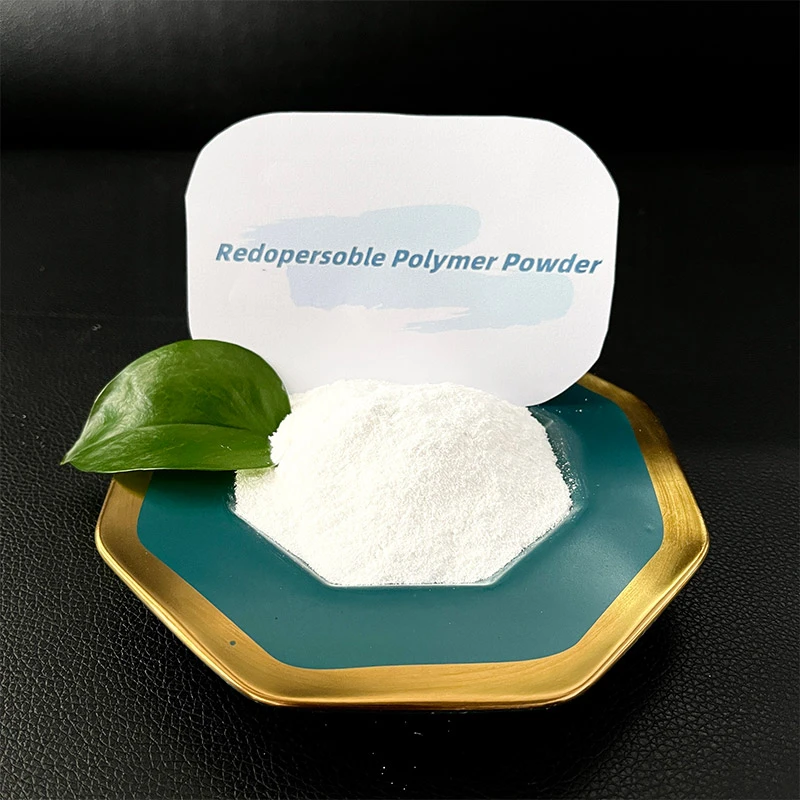
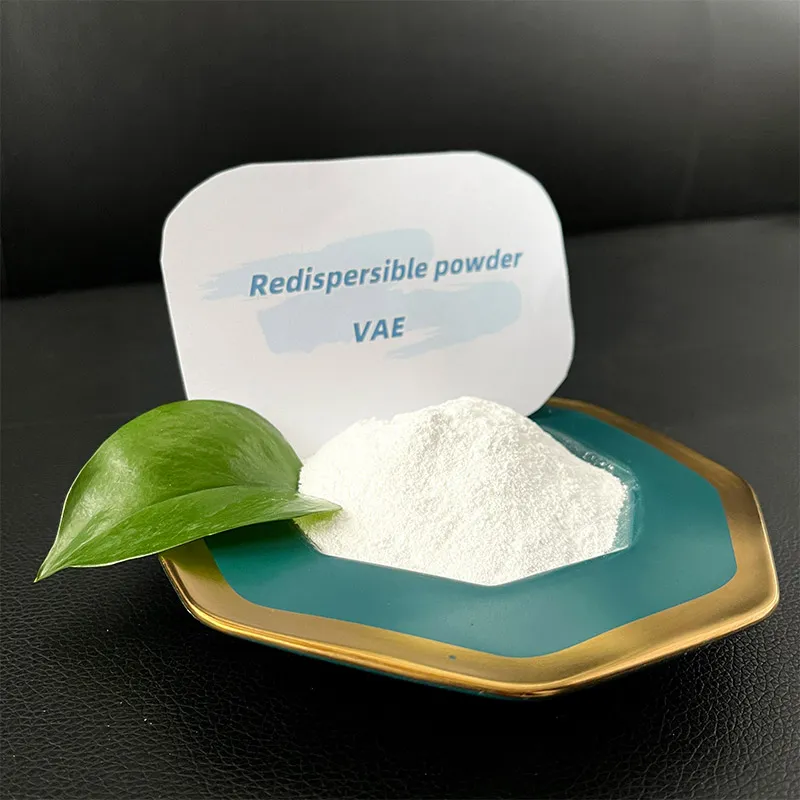
The construction industry is continuously evolving, with new innovations and materials that help improve the quality and durability of structures. Among these innovations is redispersible emulsion powder , a crucial ingredient in modern construction materials. It plays a significant role in enhancing the performance of cement-based products, making them more effective and reliable. This versatile powder is commonly used in applications such as tile adhesives, plasters, self-leveling floors, and repair mortars. It adds exceptional flexibility, adhesion, and durability to these materials, allowing them to withstand the stresses of daily use and harsh environmental conditions. In this article, we will dive deeper into the world of redispersible emulsion powder , examining its characteristics, advantages, and why it has become a key player in the construction industry. We will also explore the process of choosing the right redispersible polymer powder manufacturers , factors influencing polymer powder price , and more. What is Redispersible Emulsion Powder? Redispersible emulsion powder is a fine, white powder made from a polymer emulsion. It is produced by drying the polymer emulsion into a powder form, which can easily be mixed with water to rehydrate and return to its original emulsion state. Once mixed with water, it redisperses, providing excellent bonding properties, flexibility, and water resistance to cement-based mixtures. This ability to reform a stable polymer dispersion makes it an essential ingredient in construction products. The use of redispersible emulsion powder can be seen in a variety of applications, particularly in the creation of adhesives and coatings. In tile adhesives, for example, it helps create a strong bond between the tile and the substrate, reducing the risk of tiles coming loose. In exterior plaster and facade coatings, it provides water resistance and flexibility, which is essential for withstanding environmental stresses such as wind, rain, and UV exposure. The powder is especially important in self-leveling floor systems, where it enhances the material's workability, ensuring it spreads easily and bonds securely to the substrate. Additionally, redispersible emulsion powder is commonly used in repair mortars for its superior adhesion to old concrete and other surfaces. Advantages of Using Redispersible Emulsion Powder The widespread use of redispersible emulsion powder in construction materials is due to its many advantages. One of its most significant benefits is its ability to improve the bonding of cement-based mixtures to a variety of surfaces. The polymer powder significantly enhances the adhesive strength of the materials, reducing the likelihood of peeling, delamination, or failure, especially in high-stress areas. Another key advantage is the improvement in flexibility. The polymer powder enhances the flexibility of construction materials, which is particularly beneficial for areas that experience movement or stress, such as floors and facades. This added flexibility helps to prevent cracks, ensuring that the materials last longer and maintain their integrity over time. In addition to flexibility, redispersible emulsion powder also provides better water resistance. This is especially important in exterior applications or areas exposed to high moisture levels. For example, in tile adhesives or exterior plasters, the polymer powder reduces water absorption and improves the longevity of the material. The powder also improves the workability of construction mixtures, making them easier to apply and spread over surfaces. The ability to adjust the consistency of the mixture with the addition of redispersible emulsion powder allows for smoother applications and better finishing results. Lastly, the cost-effectiveness of redispersible emulsion powder makes it an attractive option for construction projects. While it enhances the performance of the materials, it is still relatively affordable compared to other polymer additives, offering excellent value for the quality it provides. Choosing the Right Redispersible Polymer Powder Manufacturers When selecting a redispersible polymer powder manufacturer , it is essential to choose a reputable and reliable supplier. The quality of the product you use will directly affect the performance of your construction materials. Here are some key factors to consider when choosing a manufacturer: First and foremost, product quality should be your top priority. Choose a manufacturer who adheres to strict quality control measures to ensure the consistency and reliability of their products. High-quality polymer powders lead to better-performing construction materials, reducing the chances of failures or defects during construction. In addition to quality, consider the manufacturer’s ability to provide consistent supply and timely deliveries. Construction projects often have tight timelines, and delays in material delivery can impact the overall project schedule. A manufacturer with a solid track record of on-time delivery and sufficient stock can help you avoid project delays. It is also important to choose a manufacturer who is committed to innovation and research. New formulations and advancements in technology can improve the performance of redispersible polymer powders , offering enhanced characteristics like better water resistance, lower viscosity, or quicker curing times. A manufacturer focused on innovation will provide you with products that meet the latest industry standards and trends. Another crucial factor to consider is the level of customer support the manufacturer offers. Good customer service ensures that you can get the answers you need, whether it’s technical assistance or help with product selection. A knowledgeable and responsive support team can make a significant difference when you need advice on using the product in specific applications. Finally, the price of the product is a crucial consideration. While redispersible polymer powders are relatively cost-effective, prices can vary between manufacturers. It’s important to balance quality with cost, ensuring that you get the best value for your budget. Understanding the Polymer Powder Price The polymer powder price is an important factor for construction professionals when selecting materials for a project. The price of redispersible polymer powder can vary depending on several factors. One of the primary determinants of price is the cost of raw materials. The quality and availability of the raw materials used to produce the polymer can impact the overall price of the powder. The production process also plays a role in determining the price. Manufacturers who use advanced equipment and technologies may produce polymer powders that have enhanced performance characteristics. While these products might come at a higher price, they often offer superior qualities, such as better flexibility, adhesion, or water resistance, which can be valuable in certain applications. Market demand is another significant factor that influences the price of polymer powders. During peak construction seasons, when demand for building materials is high, the price of redispersible polymer powder may increase. Conversely, during off-seasons, manufacturers may lower prices to remain competitive in the market. Shipping and packaging costs can also affect the price. Bulk orders typically come at a lower cost per unit compared to smaller orders, as they reduce the need for extensive packaging and transportation logistics. Selecting the Right Polymer Powder for Your Project Selecting the right redispersible polymer powder for your construction project is crucial for achieving the desired results. Not all polymer powders are the same, and each formulation has its unique characteristics. Factors such as environmental conditions, the type of substrate, and the specific performance requirements of your application will all influence the type of polymer powder you choose. When working on a project exposed to moisture or harsh weather conditions, you will need a polymer powder that offers excellent water resistance. For applications like exterior plaster or tile adhesives, this is especially important to prevent the material from weakening over time due to water absorption. Consider the type of surface you are working with as well. For porous surfaces, such as concrete, a polymer powder with strong adhesive properties will help ensure a solid bond. For smoother surfaces, such as tiles, look for a polymer that enhances the workability and ease of application. Understanding the performance properties of the polymer powder is also essential. Depending on your project, you may need a product that offers enhanced flexibility, faster drying times, or improved adhesion. Be sure to evaluate your specific needs before selecting the right polymer powder for your application. Redispersible polymer powder FAQs What is redispersible emulsion powder used for in construction? Redispersible emulsion powder is used to enhance the performance of cement-based materials. It is commonly added to tile adhesives, plasters, repair mortars, and other construction products to improve bonding, flexibility, water resistance, and workability. How do I choose a redispersible polymer powder manufacturer? To choose a reliable manufacturer, look for a company with a strong reputation for product quality, consistency, and on-time delivery. It’s also important to consider the manufacturer’s innovation in product development and the level of customer support they provide. Why does the polymer powder price vary? The price of polymer powder varies due to factors such as raw material costs, production methods, market demand, packaging, and shipping. Higher-quality powders with additional performance characteristics may be priced higher than standard options. Can redispersible emulsion powder be used for exterior applications? Yes, redispersible emulsion powder is highly effective for exterior applications. It improves the water resistance and flexibility of exterior plasters and coatings, making them more durable in harsh weather conditions. What are the key benefits of using redispersible polymer powder in construction materials? The key benefits include enhanced adhesion, improved flexibility, water resistance, and better workability. These qualities help ensure the durability and longevity of construction materials, especially in demanding applications.
-
Le HPMC 606, connu sous le nom de hydroxypropylmethylcellulose, est un polymère essentiel dans nombreux secteurs industriels, allant de la construction à la pharmaceutique. Ayant travaillé pendant plus d'une décennie dans le domaine des matériaux polymères, je partage ici des expériences, des connaissances et des conseils pour optimiser l'utilisation du HPMC 606, garantissant ainsi son meilleur rendement. Dans l'industrie de la construction, le HPMC 606 est salué pour sa capacité à améliorer la consistance et la performance des mélanges. Grâce à ses propriétés thixotropiques, il agit comme un agent épaississant et rétenteur d'eau dans les mélanges à base de ciment et de plâtre. Pour maximiser son efficacité, il est crucial de choisir la bonne viscosité et le poids moléculaire adapté aux besoins spécifiques du projet de construction. Une mauvaise sélection peut entraîner des temps de prise prolongés ou une résistance inférieure. Mon expérience montre que les formulations doivent être ajustées en fonction des conditions climatiques pour maintenir un équilibre optimal entre mouillage et adhérence. Le secteur pharmaceutique bénéficie grandement du HPMC 606, notamment dans la fabrication de comprimés à libération prolongée. Sa capacité à former des matrices géloïdes permet une diffusion contrôlée du médicament, améliorant ainsi la biodisponibilité et garantissant une libération uniforme. Pour les entreprises qui cherchent à obtenir une autorisation de mise sur le marché, la transparence sur la pureté et la stabilité du HPMC utilisé est cruciale. Assurez-vous de tester chaque lot pour prévenir les variations qui pourraient affecter l'efficacité thérapeutique du produit fini. Hpmc 606 Dans le domaine des produits alimentaires, bien que moins conventionnel, le HPMC 606 est utilisé pour ses qualités texturantes et stabilisantes. En tant que spécialiste en science des aliments, il est fascinant de voir comment ce polymère peut être employé pour créer des textures sans gluten dans les produits de boulangerie, tout en maintenant l'élasticité et le volume, reproduisant ainsi fidèlement les qualités du blé traditionnel. Pour une adoption réussie du HPMC 606 dans vos processus industriels, il est impératif de favoriser une collaboration étroite avec les fournisseurs. Ils peuvent fournir des échantillons pour tests et offrir des conseils sur les formulations uniques. La fiabilité du fournisseur joue un rôle crucial, car la cohérence de la qualité assurera la pérennité et le succès de vos produits. En conclusion, le HPMC 606 représente un matériau polyvalent aux applications diversifiées . Pour les professionnels cherchant à améliorer l'efficacité et la qualité de leurs produits, une compréhension approfondie de ses propriétés physiques et chimiques est essentielle. Grâce à des essais rigoureux et une adoption réfléchie, le HPMC 606 peut transformer les productions industrielles, apportant innovation et durabilité. Dans un monde où la confiance et la qualité règnent sur le choix des matériaux, le succès réside dans une application informée et stratégique des ressources disponibles.
advantages
-

200000 Viscosities
Excellent product
We can produce pure products up to 200,000 viscosities
-

40000 tons
High yield
We don’t stop production all year round, and the annual output can reach 40,000 tons
-

24 hours
Quality service
We provide 24-hours online reception service, welcome to consult at any time
———— Inquiry Form
Schedule A services


-
 hpmc_thickening_agent
Oct . 25, 2025
In today’s fast-paced manufacturing and construction industries, the demand for sustainable and cost -
 retardateur_de_gypse
Oct . 25, 2025
In the world of modern construction, synthetic fibers have revolutionized the way materials are used -
 pp_fibre
Oct . 25, 2025
The construction industry is undergoing a revolution with innovative materials that enhance efficien


